

It’s one of the most common folk remedies that people swear by – eating local honey to ease seasonal allergies that affect so many of us.

The thinking has been that consuming local honey produced by bees acts as a natural allergy shot of sorts by exposing you to local allergens.
Bottom line: it's a tidy little theory, but there’s very little research to suggest that it actually works.
Aside from the lack of supporting research, most people who get seasonal allergies are actually reacting to tree and grass pollen, not flower pollen collected by bees.
Allergies aside, for children over age 1 and adults, honey is considered a safe and effective natural cough suppressant.
Alternatives for natural allergy relief
Supplements
When it comes to natural allergy remedies, you might consider butterbur, quercetin and stinging nettle. Before you start taking any supplement, however, check with your doctor or other care provider first.
Neti pot
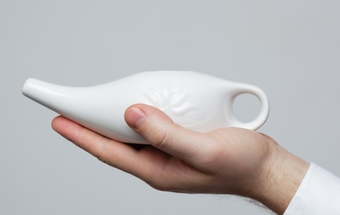
A neti pot is a small, teapot-shaped container that people use to gently rinse out their nasal passages —kind of like giving the sinuses a quick shower.
You fill it with a warm saltwater solution, then tilt your head over a sink and pour the water into one nostril. The liquid flows through your nasal passages and comes out the other side, helping to wash away mucus, allergens and irritants like pollen.
It might sound a little strange at first, but many people find it soothing, especially when dealing with congestion. The key is to use the right kind of water (like distilled or previously boiled, not water straight from the tap) and a proper saline mix so it’s safe and comfortable.
HEPA filter
A HEPA filter (which stands for high-efficiency particulate air) is a type of air filter designed to trap very tiny particles you can’t see, like pollen, dust, pet dander and some mold spores.
During allergy season, these are exactly the things that can make you miserable. When you run an air purifier or HVAC system with a HEPA filter, it pulls in the air from your room, captures those irritants in the filter, and then circulates cleaner air back out.
The result is fewer allergens floating around for you to breathe in. Many people notice relief from symptoms like sneezing, congestion and itchy eyes — especially if they use a HEPA air purifier in spaces where they spend a lot of time, like the bedroom.
It’s not a cure for allergies, but it can make your home feel like a much safer, more comfortable place when pollen counts are high.


