
Being a teenager is hard — and dealing with the emotional and physical impacts of obesity can make it even harder, said Dr. John Cleek of Novant Health General Surgery & Bariatrics - Mount Pleasant.
Cleek’s own weight struggles during childhood and adolescence led him to become credentialed in obesity medicine. He’s since spent 20 years helping patients change their weight. And their lives.
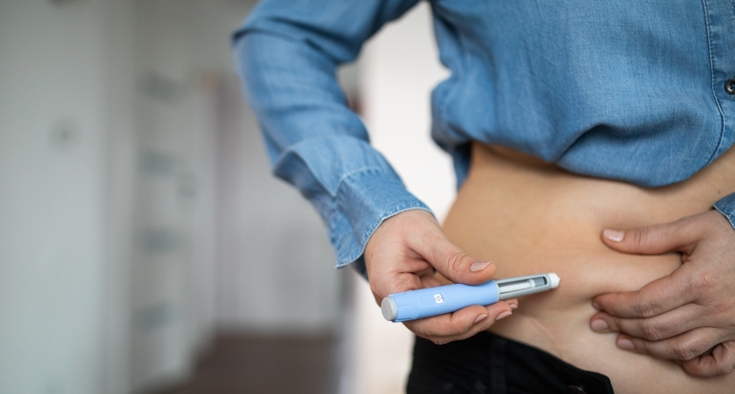
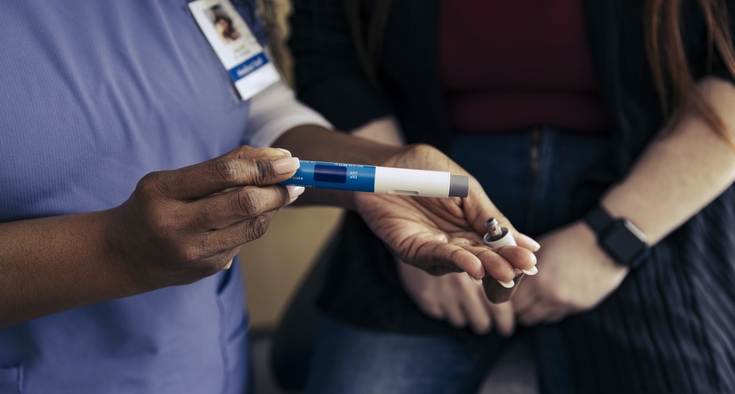
In the last five years, the FDA has approved two glucagon-like peptide-1 agonists (commonly called GLP-1 medications) for teens with obesity: semaglutide (brand name Wegovy) and liraglutide (brand name Saxenda).
Here’s what Cleek thinks parents should know about this treatment option. What might be surprising to some: The injectable drugs are only part of the answer. The whole family has to be up for lifestyle changes.
Get the support you need for your weight loss journey.
How does obesity impact teens?
The primary impact is the stigma and bias that’s associated with being overweight, which often comes out in the form of bullying. Teenagers with obesity often have low self-esteem and are often unwilling to do a lot of things or put themselves out there and take risks because they don’t feel confident with their peer support.
Unfortunately, from the medical standpoint we're also seeing an upsurge in Type 2 diabetes in children and teens, which we normally used to think of only as “adult-onset” diabetes.
We're also seeing a significant increase in metabolic dysfunction-associated steatotic liver disease (MASLD), which is when your body stores lots of fat in the liver. That irritates the liver and can cause scarring and damage to the liver.
Sleep apnea is also becoming more common among teens with weight issues. All of these things combine to create an unhealthy metabolic system.
But to me, the mental health impacts are the worst part. Think about social media and TikTok and all of that. I think it would be really hard right now to be a teenager, but especially if you’re in the situation of having a weight problem.
How can a GLP-1 medication help a teen with obesity?
These medications are a tool to help a teenager reach a better state of health, and that’s what we really should be looking at — not the scales. Treatment is aimed at improving the health of the metabolic system and reversing the metabolic changes through weight reduction.
GLP-1 medications reduce liver fat and liver fibrosis (buildup of scar tissue), and a recent study found that it may help with MASLD. Through weight reduction, GLP-1 medications can reduce or eliminate sleep apnea and lower blood pressure.
And much like adults on GLP-1 medications, teens’ self-esteem goes up significantly as their body changes. “If somebody has a weight issue, they may be treated as though they are lazy, or not as smart.
And perception can feel like reality in a lot of respects, especially for a teenager. Losing weight can put teens in a different social environment. Because they’re perceived differently, they may experience fewer mental health issues and feel less depressed.
Is a GLP-1 medication the best option for a teen with obesity, or are other weight loss drugs just as good?
Historically, we've never had anything as effective from a non-surgical standpoint as the GLP-1 medications. Nothing has reduced “food noise” like GLP-1 medications.
“Food noise” is the continual thinking about food. Like: I just ate breakfast, and now I'm thinking about what I'll have for lunch or dinner. Or craving-related thoughts: “Boy, wouldn't it be good to have that.” For many people with obesity, there are always some background thoughts about food running through their minds. The GLP-1 medications turn that down.
What teens benefit most from GLP-1 medications?
If they’re 12 years or older and their body mass index is in the 95th percentile or above, they can qualify for a GLP-1 medication. If their body mass index is in the 85th percentile or above and they have at least one chronic condition (known as “comorbidity” in medicine) such as high blood pressure or Type 2 diabetes, they can qualify.
If they have multiple comorbidities — for example, they have obesity, hypertension, fatty liver disease and high cholesterol — then I would urge them to consider surgery. To me, the more complicated they are, the more we need to try something more aggressive like bariatric surgery to get them healthier, faster.
In one study, the majority of teens on a GLP-1 medication lost between 5% and 15% of their body weight. If a teen weighs 400 pounds and loses 20 to 60 pounds on a GLP-1 medication, I have to ask, “Are you going to be happy at over 300 pounds?” Bariatric surgery provides more weight loss than the GLP-1 medications do.
But if they have less weight to lose, or maybe just have one additional health issue like high cholesterol, a GLP-1 can often take care of that. We take it on a case-by-case basis.
Are there any teens with obesity who shouldn’t take a GLP-1 medication?
We might not offer it if they have a high risk for an eating disorder, or if they have a personal or family history of a specific thyroid cancer.
What are the risks of GLP-1 medications for teens?
We don’t want to be so restrictive that we put them at risk of being malnourished or interrupt their growth cycles.
In my opinion, the main risk is not getting enough calcium in their bones and enough protein to allow for growth, muscle maintenance or building muscle.
Sometimes teens on GLP-1s can develop a rash or hives, which I have not seen in adults. Otherwise, they experience the same side effects and risks as adults on GLP-1 medications. Generally, as long as they’re not getting gastrointestinal side effects like nausea and diarrhea, they’re going to feel better on a GLP-1.
For teens with obesity, the American Academy of Pediatrics recommends medication as a supplement to “health behavior and lifestyle treatment.” What lifestyle changes are needed alongside a GLP-1 medication?
Medication has to be within the realm of a lifestyle program.
If we prescribe GLP-1 medications to a teen, there has to be family buy-in. The whole family has to make changes: They’ll have to remove some of the ultra-processed snack foods from the house and focus on lower-calorie foods.
Everyone has to agree that they’re all going to eat protein, a lot of vegetables and control the carbs. If you have a 10-year-old brother and you’re 13, he’s gonna have to go along with that. We can’t have different rules for one child versus another, because that’s not going to work for the affected teenager.
We also need to make sure that the teenager gets adequate sleep and isn’t awake on their phones and computers half the night.
They’ll also need to meet with a dietitian and keep a food journal, because that's one of the bigger predictors for success at losing weight. We don’t care if they take pictures of what they're eating, use an app or write it on paper, but we know that the accountability helps significantly. They’ll bring their journal to their dietician or to their doctor.
You’ve gotta allow for mess ups — we’re all human. The last thing you want is to have somebody say, “Oh, I can't believe you did that." But your dietitian or doctor can say, “Well, next time, how about thinking about doing this instead?”
Are teens committing to being on a GLP-1 medication forever, or for a season? What happens when and if they stop taking it?
I think they're committing to it for life, or until something better comes along.
Research shows that most adults who stop a GLP-1 medication regain at least some of their weight in the year after stopping the medication, with one study showing an average regain of two-thirds of their previous weight loss. Now, could they take the medication for a different period of time and have more lasting weight loss? Does it matter whether you taper it off, as opposed to cold turkey stopping it? We're not far enough along to really know those answers.
What will happen as more research is done and more drugs are developed is that we’ll transition to even more effective medicines, but I don't think they’ll get off medicine.
GLP-1 medications have given us the first non-surgical tool that really can make a difference. There's nothing better than having patients do well and change their whole outlook on life. It doesn't just change their weight — it changes their mental health. And that's amazing.
If I want to have my teen evaluated for a possible GLP-1 prescription, where do I start?
Start with your family medicine doctor or pediatrician. If possible, they will refer you to a pediatric obesity specialist for the most comprehensive care for your teen. If not, they can discuss options.