Whooping cough has made a comeback in recent years, with numerous outbreaks reported across the United States, according to the Centers of Disease Control and Prevention (CDC). Babies are especially vulnerable because there is no vaccination for them.
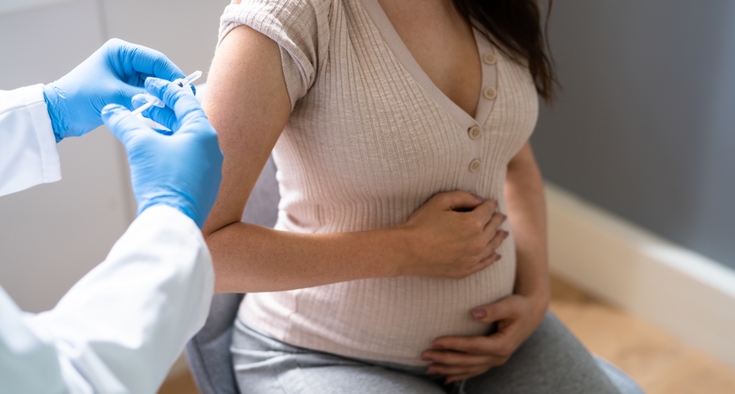
But there is a way to protect them. The Tdap vaccine given during pregnancy is 78% effective in preventing whooping cough, also called pertussis, in infants. However, the CDC's most recent data suggests only 59.6% of pregnant women receive the Tdap vaccine, which protects against whooping cough.
Whooping cough is caused by a bacteria called Bordetella pertussis. The bacteria attaches to the cells lining the lungs and secretes toxins, causing inflammation and a disruption to normal lung function. The virus is spread when an infected individual coughs or sneezes, and it is highly contagious.
Pregnant women should receive the Tdap booster vaccine during their third trimester of pregnancy, according to CDC recommendations, even if they have received the vaccine before. Vaccinating the mother can provide critical short-term protection to babies when they are most at risk for life-threatening illnesses. Babies born to mothers who received the Tdap vaccine between 27 and 36 weeks gestation have high concentration of antibodies against the pertussis bacteria in their blood.
“By immunizing the mother, we can provide some passive antibodies to the baby to help fight any infection,” said Dr. Haley Landwehr of Novant Health WomanCare. “Ensuring close family members and anyone who will be around the infant is vaccinated helps prevent the infant from being exposed to the disease.”
Whooping cough gets its nickname from the whooping sound patients make when they gasp for air after an intense coughing fit. It can cause uncontrollable, violent coughing that can make it difficult to breathe. For infants, the illness is typically more severe.
Half of babies less than a year old who catch pertussis may require hospitalization for supportive respiratory care. Although covering your mouth while coughing and sneezing and practicing good hand hygiene can help prevent whooping cough, the best method of prevention is the vaccine.
“When you look at the number of deaths related to pertussis, the majority are infants less than three months of age,” Landwehr said. “This is because infants are incredibly vulnerable to illnesses until they begin their own immunization series around two months of age and make his or her own antibodies.”
Childbirth is unpredictable — but thinking through your preferences ahead of time can make you feel more confident the day of. Download our birth preparation guide.