
Michael Kissenberth, MD, is a fellowship-trained orthopedic surgeon at Novant Health Orthopedics & Sports Medicine - Greenville and lead physician and senior vice president of orthopedics and sports medicine for the South Carolina Region. He specializes in shoulder and elbow conditions, including rotator cuff repair, shoulder instability, labral tears and ligament reconstruction, with particular expertise treating throwing and overhead athletes.
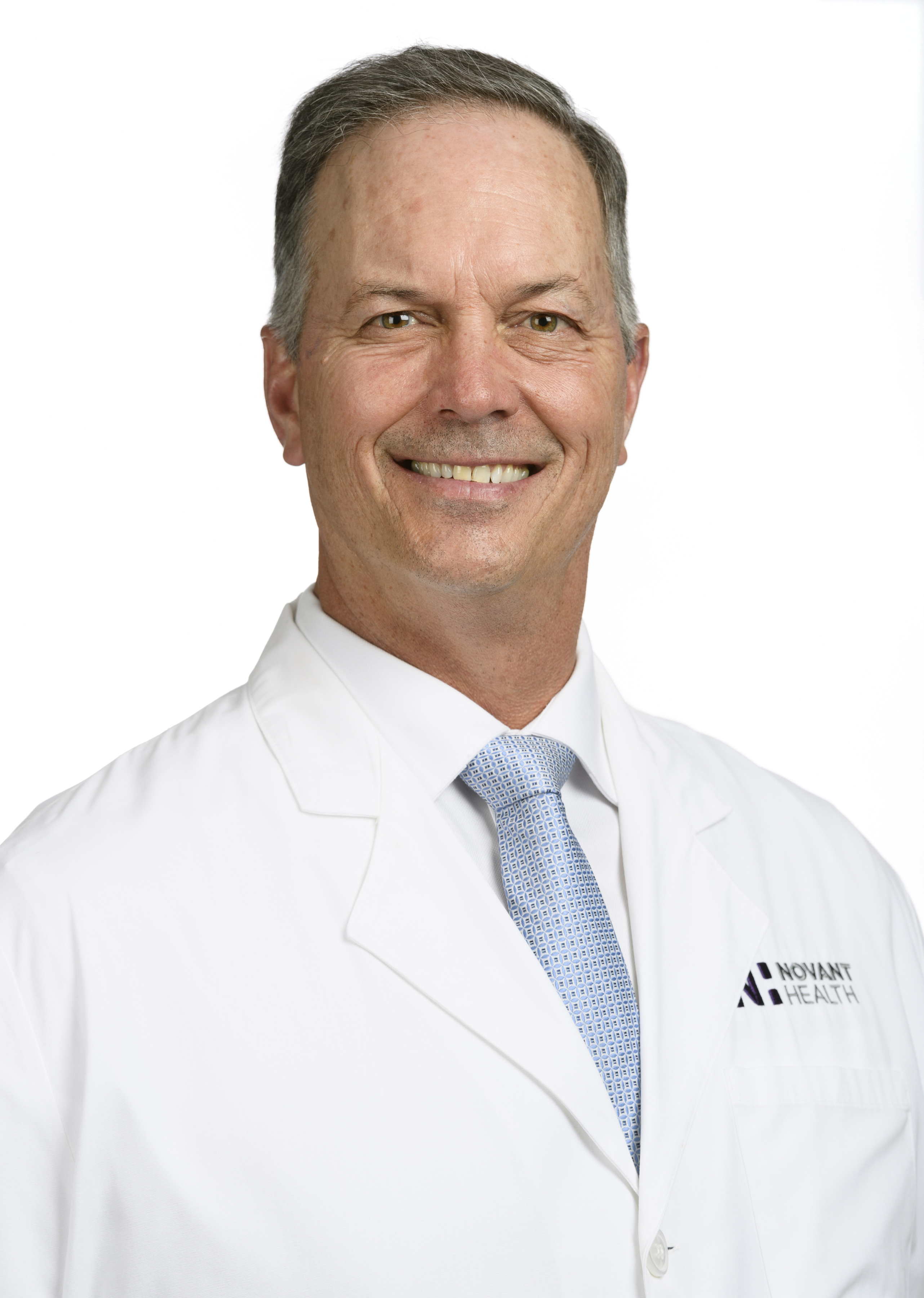
“We’ve built an orthopedic model that prioritizes efficiency, access and outcomes,” says Dr. Kissenberth. " With advanced technology and a dedicated orthopedic campus, we’re able to support timely, coordinated care.”
What types of shoulder and elbow conditions are you most commonly referred for in your practice?
For the shoulder: instability and labral tears, rotator cuff tears, biceps tendon problems, shoulder arthritis and shoulder fractures. For the elbow: tendonitis (tennis elbow and golfer's elbow), ligamentous injuries, primarily in overhead athletes, particularly baseball pitchers, and elbow arthritis, which I treat with minimally invasive arthroscopy.
You have extensive experience treating throwing and overhead athletes. What injury patterns should primary care and sports medicine providers be particularly attentive to in this population?
The primary injuries in this population are related to overuse, particularly in pitchers. Any overhead athlete presenting with repetitive overuse injuries, and especially any pitcher with pain, should be evaluated by a specialist.
When evaluating shoulder pain in athletes or active adults, what clinical findings suggest early referral to an orthopedic sports medicine specialist?
Early referral is warranted for any acute injury from a fall or heavy lifting. On examination, signs of obvious weakness are concerning. Injuries occurring in competitive sports contexts, such as football, also warrant early referral to a team physician to make appropriate return-to-play recommendations.
You emphasize conservative, evidence-based management before surgery. What nonoperative treatments do you most commonly utilize, and when is surgery truly indicated?
The most common conservative measures include corticosteroid injections, biologic injections, physical therapy and activity modification. Surgery is considered when these measures fail to provide adequate relief or when the severity of injury, such as a significant rotator cuff tear or instability, may make early surgical intervention appropriate.
How have advancements in minimally invasive surgical techniques improved outcomes for procedures such as rotator cuff repair, shoulder stabilization and ligament reconstruction?
Over the last decade, minimally invasive techniques have advanced to include smaller incisions, the use of biologics to support healing, and improved implants that allow excellent fixation, all contributing to improved outcomes and recovery.
You've discussed the role of biologics such as PRP injections. In which scenarios do you find these therapies most beneficial?
PRP has evidence supporting use in arthritic conditions, tendon injuries and some ligament issues.
Orthopedic care you patients deserve
For patients over 50, how do strength training and resistance exercise impact long-term musculoskeletal health and the potential need for joint replacement?
Strength and resistance training improve bone density, flexibility and muscle strength, all of which support better function, reduce fall risk, and may help delay or reduce the need for joint replacement.
What guidance do you give referring providers regarding fall prevention and maintaining bone and joint health in older adults?
Referral to physical therapy for fall prevention programs and strength training is recommended.
As lead physician and senior vice president of orthopedics and sports medicine for the South Carolina Region, how are you building a coordinated care model in Greenville?
The first step is building an integrated orthopedic campus designed to improve efficiency and outcomes. As a campus centered around orthopedics, we can create efficiencies and maximize outcomes, while advancing orthopedics through research and education.
What should referring clinicians know about shoulder and sports medicine care at Novant Health Orthopedics and Sports Medicine in Greenville?
Novant Health Orthopedics and Sports Medicine in Greenville offers coordinated shoulder and elbow care within a dedicated orthopedic campus, with streamlined access to advanced surgical techniques and subspecialty expertise.


