

Many women stop taking antidepressants during pregnancy because they worry the medication could hurt their baby. But for many patients, the greater risk may be untreated depression or anxiety.
Research has shown that pregnant patients who view antidepressants as risky are more than twice as likely to have difficulty staying on their medication. Yet a wide body of evidence shows that many antidepressants can be used safely during pregnancy when guided by a doctor.
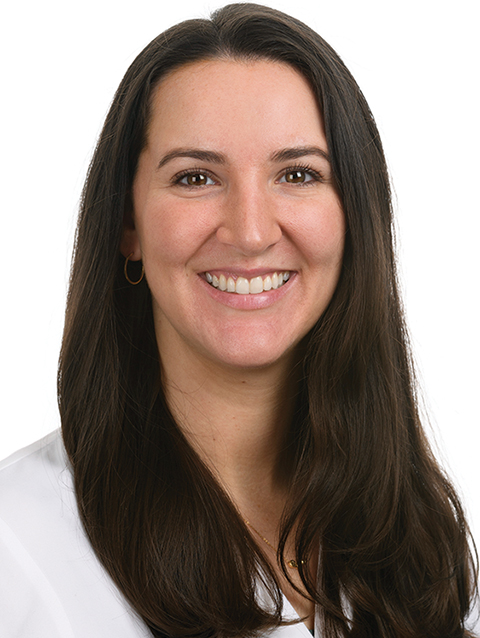
“Every mother is just trying to do what she thinks is best for her baby and her pregnancy,” said Dr. Rebecca Lane of Novant Health Southeast OB/GYN in Matthews. “It’s my job to present my patients with their options and have an open, honest conversation where they feel safe discussing their worries.”
We spoke with Lane about antidepressant use during pregnancy to better understand the benefits and potential risks, why untreated mental health conditions matter, and how expectant mothers can work with their care team to make an informed plan.
Expert care for every stage of pregnancy.
Types of antidepressants
Many people hear “antidepressant” and think of selective serotonin reuptake inhibitors, commonly known as SSRIs. They are frequently used to treat mood disorders, with approximately 2% to 3% of pregnant women taking them during pregnancy. However, they are not the only medications used to treat depression or anxiety.
The safest choice is not the same for everyone. Before stopping, switching or starting a medication during pregnancy, talk with your ob-gyn, psychiatrist or prescribing care team member about your specific medication and your specific risks.What should someone do if they’re taking an antidepressant and they find out they’re pregnant?
The first thing I want patients to do is contact their ob-gyn or prescribing clinician, so that we can talk through their individual situation. What I do not want them to do is abruptly stop their medication on their own. Many antidepressants can be continued safely in pregnancy, and stopping suddenly can sometimes create more risk than benefit.
Why can stopping antidepressants suddenly or without medical guidance be risky?
Stopping antidepressants abruptly can lead to withdrawal symptoms, worsening depression or anxiety, panic attacks, sleep disruption and difficulty functioning day to day. Pregnancy itself is already a major physical and emotional transition. So, upsetting mental health stability during that time can significantly affect both the patient and the pregnancy.
How do the hormonal changes during pregnancy affect mood?
Pregnancy causes major hormonal shifts that can affect your sleep, energy, appetite and ability to regulate your emotions. On top of that, every person has different genetics, stress levels, support systems and mental health histories. So, mood changes can look very different from one patient to another. Some people feel emotionally stable during pregnancy, while others experience significant anxiety or depression.
Is it possible to develop depression during pregnancy the same way someone may develop postpartum depression?
You can develop depression during pregnancy, whether you have a history of mood disorders or not. The hormonal changes that occur during pregnancy, as well as a previous diagnosis of a mood disorder, can increase your risk. We use that information to proactively take action so we can monitor you more closely during your pregnancy and create a postpartum support plan early, rather than waiting until you are struggling. It’s crucial to have an open relationship with your ob-gyn and feel like they’re someone you can trust to notice if you’re not yourself.
Caring for yourself starts here
Complete our 5-minute assessment to identify your current health risks and take the next step toward lifelong wellness.
What does a mental health support plan for a pregnant person look like?
I speak with them about their symptoms and history from the very first visit. Throughout the pregnancy, I’m always checking in on mood symptoms. I make an effort to truly know my patients so I can pick up on potentially subtle symptoms that they're expressing to me. I always ask:
- If everything is going OK for them
- How they're feeling about the pregnancy
- What kind of postpartum support they expect to have
Postpartum support is tremendously important to preventing depression after the baby is born. I’m also considering if we want to start medication proactively and if they want to get set up with a behavioral health counselor before delivery. Any of these things can be started during pregnancy, as soon as the very first visit.
How can people tell the difference between normal mood swings and something they may need treatment for?
It is normal to have some emotional ups and downs during pregnancy. It becomes a cause for concern when your symptoms become persistent or start interfering with your daily life. For example, if you have ongoing sadness, hopelessness, excessive worry, panic attacks, loss of interest in things that you typically enjoy doing, or you just feel disconnected from your friends and your family, it’s worth bringing up with your care team. It could be more than just mood swings.
Do patients openly discuss mental health conditions such as depression and anxiety with their ob-gyn, and what barriers affect that communication?
There’s definitely a feeling that it's a taboo topic and that in pregnancy you should just tough it out — that it’s hard for everyone. That’s just not the case. Women should not be suffering during pregnancy. Mental health diagnoses are medical conditions. They are not something you need to suffer through. My hope is that every pregnant patient feels very comfortable speaking openly and sincerely with their ob-gyn about any concerns that they have.
What are the risks of untreated depression and other mood disorders?
Untreated mood disorders can lead to poor sleep, poor nutrition, difficulty caring for yourself, increased stress hormone levels and a higher risk of substance use. In severe cases, they can lead to suicidal thoughts and difficulty bonding with your baby in the postpartum period. Many of these side effects of untreated mood disorders can impact the pregnancy itself. We always have to compare medication risks against the very real risks of untreated illness.
How do you help patients weigh the risks of medication versus the risks of untreated illness?
We review what is known, what uncertainties exist, how severe the patient's symptoms are and how they've done in the past on or off medication. The goal is not medication at all costs or avoiding medication at all costs. It's helping the patient make the safest and healthiest decision for her.
Selective serotonin reuptake inhibitors (SSRIs) are generally considered safe for most pregnant patients who need them. What psychiatric medications are not safe? Which ones are?
One medication I often recommend avoiding during pregnancy is paroxetine, because it has been associated with an increased risk of certain birth defects. In contrast, sertraline (Zoloft) and escitalopram (Lexapro) are two of the most commonly used antidepressants in pregnancy. Those are both well-studied SSRIs that are deemed safe in pregnancy.
How do you empower pregnant patients to make an informed decision?
I consider my role as an educational one. I explain the risks and the benefits clearly, and I take the time to understand my patients’ values and concerns. I want every patient to feel like they are part of the decision-making process. It's not my job to make a decision for someone; it's my job to give the information as clearly and plainly as possible, so that she understands her options. But that decision is ultimately up to her.
If therapy is hard to access, what can pregnant women do to find support?
Ob-gyns can be a crucial resource for maternal mental health. We screen for depression and anxiety, and we start or continue medications for patients when appropriate. We can provide counseling, education and connection to resources.
Sometimes we can help expedite getting a patient in with a particular care team member, depending on the severity of their symptoms and the need for urgent assistance, and then we can monitor their symptoms throughout pregnancy and the postpartum period. There are also resources you can use while waiting for a therapy appointment or for your next OB-GYN appointment.
These include:
- The National Maternal Mental Health Hotline - 1-833-TLC-MAMA
- Postpartum Support International
- The 988 Suicide & Crisis Lifeline
Most importantly, if patients feel they don't want to use one of those resources, they should contact their ob-gyn if their symptoms worsen between visits. We always want to know.
What would you want all pregnant patients who are on antidepressants to know, and those currently struggling with their mental health?
You are not a bad mom for needing help and needing mental health treatment. Taking care of your mental health is part of taking care of yourself, your pregnancy and your baby.
Signs and symptoms of perinatal mood disorders
What are PMADs?
Perinatal mood and anxiety disorders, or PMADs, are mental health conditions that can happen during pregnancy or after birth. They are common, treatable and not a sign that someone is a bad parent.
Signs and symptoms of mood disorders
Depression
- Sadness, emptiness or hopelessness
- Crying often or feeling numb
- Loss of interest in things you usually enjoy
- Changes in sleep, appetite or energy
- Feeling guilty, worthless or like you are failing
- Trouble bonding with the baby
- Thoughts of self-harm or not wanting to be here
Anxiety
- Constant worry or racing thoughts
- Feeling unable to relax
- Irritability or feeling on edge
- Trouble sleeping, even when the baby is sleeping
- Physical symptoms such as a racing heart, nausea or shortness of breath
- Repeatedly seeking reassurance that the baby is OK
Obsessive-compulsive disorder, or OCD
- Unwanted, upsetting thoughts or images
- Fear that something bad will happen to the baby
- Repeating certain behaviors, such as checking, counting, cleaning or avoiding triggers
- Feeling distressed by the thoughts, even if you do not want to act on them
Post-traumatic stress disorder, or PTSD
- Flashbacks, nightmares or intrusive memories
- Feeling jumpy, guarded or easily startled
- Avoiding reminders of a difficult pregnancy, birth or medical experience
- Feeling detached, unsafe or unable to trust others
Postpartum psychosis
This is rare, but it is a medical emergency.
- Seeing or hearing things others do not
- Believing things that are not true
- Extreme confusion or disorientation
- Not sleeping for long periods
- Paranoia, agitation or rapidly changing moods
- Thoughts of harming yourself or the baby
When to get help
Tell your ob-gyn, midwife, primary care clinician or mental health provider if these symptoms feel intense, last more than two weeks or make it hard to function.
If you have thoughts of harming yourself or your baby, or if you feel disconnected from reality, seek emergency help right away. Call 988, go to the nearest hospital emergency department or call 911.


