

If you’re a woman in your late 30s through early 50s, dealing with hot flashes, sleep disturbances, weight gain, mood swings, brain fog, decreased libido, vaginal dryness or any combination of the above, you may wonder: Could a supplement help?
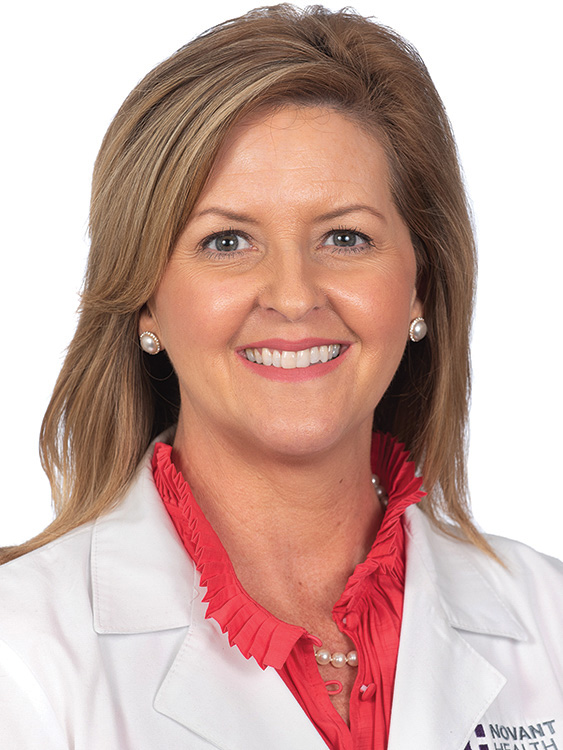
Melissa Tharpe, a women’s health nurse practitioner wants you to know four things:
- There’s strong evidence for taking supplements as you age.
- There’s less evidence that supplements help with specific symptoms of menopause.
- Heavily advertised supplements featuring a mix of ingredients are probably a waste of money.
- You should always talk to your doctor before beginning a supplement.
Comprehensive care and support for menopause.
Supplements for menopause symptoms
Do you recommend supplements for menopause symptoms?
Supplements can be a good short-term option to treat certain mild symptoms through perimenopause and the transition into menopause.
The benefits of supplements are generally small and inconsistent compared with hormone replacement therapy and prescription medication. I don’t view supplements as a replacement for these options.
If your symptoms are significantly impacting your quality of life, I highly recommend talking to your clinician about what else might help.
But supplements can be used when symptoms are mild and you’re not ready to explore other options yet, or when hormone therapy or prescription medication isn’t safe for you because of your medical history.
What options do I have if I want to treat my menopause symptoms “naturally”?
We tend to overestimate what a supplement can do and underestimate what lifestyle changes can do.
To treat your symptoms naturally, exercise most days of the week including strength training at least twice a week, practice good sleep habits, eat a balanced diet with enough protein and fiber, and manage your stress.
If you’re doing all that and still having symptoms that affect your quality of life, you could consider a supplement with your clinician’s guidance.
What supplements may help menopause symptoms?
For hot flashes
- Soy isoflavones: As you go through perimenopause, your estrogen levels fluctuate, slowly decreasing over time as you head towards menopause. Soy isoflavones are plant-based compounds, similar in chemical structure to estrogen, that can affect your body similar to estrogen.
Studies show that supplementing with soy isoflavones can modestly reduce hot flashes — roughly one fewer hot flash a day on average.
- Black cohosh: The root and stem of this herb have been used medicinally for centuries.
Some studies show that supplementing with black cohosh can improve quality of life during menopause and slightly reduce hot flashes — but data is mixed, so results may vary.
For sleep symptoms
- Melatonin: Our body naturally produces melatonin to regulate our sleep cycle. But melatonin can also be manufactured and packaged as a supplement, called “exogenous“ melatonin.
Studies show that melatonin may improve sleep in some populations, although there’s limited research on how it affects women in menopause.
- Magnesium glycinate: Magnesium is a mineral that regulates blood sugar, blood pressure and muscle function — but about half of people in the U.S. aren’t getting enough magnesium through their diet. Foods like beans, nuts, seeds and meat are good sources, but a supplement can also fill the gap. A popular form of supplement magnesium is magnesium glycinate, which combines magnesium with an amino acid called glycine.
Studies show magnesium glycinate can improve sleep quality, although more research specific to menopause is needed.
Get complete care for all stages of menopause with Novant Health's Virtual Menopause Wellness Clinic.
Are heavily advertised menopause supplement blends safe?
These multi-ingredient blends — I call them “menopause cocktails” — are largely not supported by good data.
Supplements aren’t regulated the way that medicines are, so manufacturers don’t have to disclose all of the ingredients or the amount of each ingredient. Some of the biggest risks include inconsistent quality and possible interaction with medications you’re taking. And taking something ineffective doesn’t just waste money — it can also delay you from getting more effective treatment.
I always suggest trying one supplement at a time so you can see how your body responds. Then you can isolate what’s helping and only pay for that, instead of spending money on extra ingredients that add risk and don’t provide reward.
Supplements for your life stage
Are there any other supplements that I should consider taking during perimenopause and menopause?
Yes! Always talk to your clinician first. But here’s what I recommend to many in this age range to lower their risk of common health issues:
- Calcium with vitamin D for bone health: At the end of perimenopause and beginning of menopause, you rapidly lose estrogen — which causes significant bone density loss and raises your risk of osteoporosis. The goal is to make sure your bones are as healthy as possible going into menopause.
. Although you could get enough calcium from a well-planned diet, I recommend that women in their 40s and beyond take a supplement to make sure you’re hitting the amount of calcium you need each day.
You can take calcium as a tablet, capsule, chewable, gummy, liquid or powder. Most calcium supplements are paired with vitamin D to help you absorb the calcium.
- Omega-3 supplement for heart health: Estrogen protects against heart disease, so as estrogen decreases in menopause, your risk of heart disease increases.
Omega-3 fatty acids — found in seafood, walnuts, chia seeds and flaxseed oil — can lower your risk of heart disease, but most U.S. adults don’t consume enough omega-3 fatty acids in their diet. A supplement can help fill in those gaps.
You can take omega-3 as a capsule, liquid or soft-gel.
How to pick a supplement for menopause
Before you start any supplements, talk with your clinician. They’ll explore these questions with you:
- What symptom or health issue are you trying to target?
- Is there a supplement that could help with that issue?
- What’s the evidence base for that supplement?
- Is that supplement safe for you? Could it interact with other health conditions or medication you’re on?
- What other options could help with this issue?
- Which is the best option — or combination of options — for you right now?
- How long should you try this option before you check back in to say if it’s working, or troubleshoot if it’s not?
When buying a supplement, look for a product that has gone through voluntary, independent testing for quality and safety and has the United States Pharmacopeia (USP) or NSF International seal on its box. And only purchase supplements from a reputable, trusted source.
What this means for you
Based on current research, most menopause “cocktails” don’t live up to their social media hype.
But there’s a silver lining: Menopause hasn’t always been discussed this openly, and now we’re hearing that buzz — which provides an opportunity for women to get the healthcare they need without shame and fear of judgment.
If you’re really in the thick of menopause symptoms, a supplement probably isn’t going to make a big dent in them — but there are more evidence-based treatments than ever before.
And my patients who are willing to explore those are walking away saying, “OMG, if I had known this would change my life this much and help me be the best I can be at this point in my life, I would have done this earlier.”
Women in this life stage are driven in our careers; we’re mothers, we’re wives, we’re friends, we’re daughters — we make the world go round. And we deserve to feel our best.
If you’re dealing with symptoms from perimenopause or menopause, talk to your clinician — you may have more options than you think.
Key takeaway: Supplements may help mild menopause symptoms like hot flashes or sleep issues, but benefits are usually modest and inconsistent compared to medical treatments. The best approach is to talk with a clinician to choose safe, evidence-based options tailored to your symptoms and health history.


