

If your doctor has recommended a statin to treat high cholesterol, it’s normal to have questions. Many people wonder whether statins are safe, whether they’ll cause side effects or whether they’re really necessary.
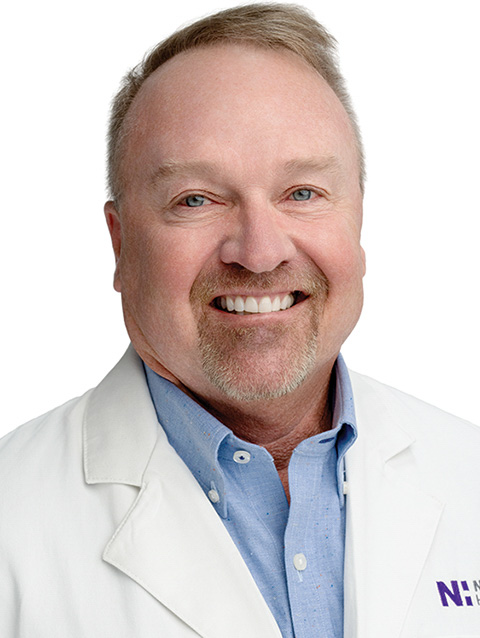
Those concerns are common. In fact, concerns about side effects are one of the most frequent reasons people hesitate to start or continue statin therapy, even if people can’t explain exactly what their concerns are. “It’s rare that I hear one specific side effect concern from a patient,” Dr. Donald Yakel of Novant Health Heart & Vascular – Physicians Plaza said. “Most often, it’s a more generalized concern that statins are not good.”
In fact, statins have been studied for decades and are considered safe for most people who need them. Here, Yakel debunked common myths and explained why statins work for the 35% of U.S. adults who use them to manage high cholesterol.
Nationally recognized heart and vascular care.
How do statins work?
Statins lower LDL cholesterol, often called the “bad” cholesterol. When LDL levels are too high, cholesterol can build up as plaque in the arteries. Over time, that buildup can increase the risk of heart disease, heart attack and other heart-related problems.
Lowering LDL cholesterol can reduce that long-term risk, especially for people who already have heart disease or have other risk factors for high cholesterol.
Those risk factors include diabetes, a history of smoking, a family history of high cholesterol and elevated levels of lipids, or fat-like substances, in the blood.
Will diet and exercise help patients prevent the need for a statin?
I’m a big champion of trying a better diet and increased exercise first. People have the power to potentially reduce their cholesterol levels through lifestyle changes.
I remind patients who aren’t seeing enough change that statins are also a tool we can use to lower LDL cholesterol to reduce the risk of heart attack, stroke and other life-threatening events — and that there are no proven harmful side effects.
Have your patients had success on statins?
Absolutely. Here’s an example of how that could look. I’ll have a patient who has high LDL cholesterol. I put them on a statin. The next time we check their cholesterol levels, their LDL has come down. Throughout their life, it stays below the goal we’re aiming for.Stories like these are not the exception. They’re the rule.
What do you wish patients would ask their doctors before refusing a statin?
What is my chance of heart attack, stroke or death over the next 10 years with a statin and without? What is my real risk from taking this medication? Are the side effects I’m worried about common, rare, or even something I need to be worried about?4 myths about statins
Myth: If I need a statin, I failed at diet and exercise.
You haven’t failed at anything. Cholesterol levels are shaped by a mix of lifestyle factors and genetics. If you’re making healthy lifestyle choices, you’re doing everything in your power aside from medication.
Myth: Statins are only for people who already have heart disease.
Our approach is to prevent heart disease, not just to treat it. We know statins can do that.The current treatment guidelines are fairly clear on when and when not to use statins. At this point, we still want your LDL levels below 100 milligrams per deciliter (mg/dL).
So, a clear example of when this would be a myth: You come into my office, and you have a history of smoking, and your whole family has had high cholesterol. We take your labs, and your LDL cholesterol levels are 110 mg/dL. At minimum, I’d ask you to make some lifestyle changes to lower your cholesterol, and we may talk about statin use now or as a future possibility if diet and exercise alone don’t work.
In this scenario, you don’t have heart disease, right? But I would feel perfectly comfortable prescribing you a statin to lower your cholesterol. So, no, statins are certainly not only for people who already have heart disease. That is a myth.
Myth: Statins always cause serious side effects.
Serious side effects are extremely rare. Some people do experience muscle aches, bone aches or fatigue, and we can respond to that by adjusting the dose. We’ll always monitor you for possible side effects, and discuss them with you before beginning treatment. Please talk to your doctor before taking social media posts and influencer content at face value.
Myth: Natural supplements are safer and just as effective.
That’s not true. Statins are a pharmaceutical drug. They have been rigorously tested for safety and efficacy in lowering cholesterol. Supplements have not, and they aren’t regulated by the Food and Drug Administration (FDA). I tell people it's probably not going to hurt you to take supplements, but there’s no proven benefit.I also recommend that you always run any supplements you’re considering taking by your primary care doctor or cardiologist so they can verify that that supplement is safe for you to take with current medications.
Key takeaway: Statins are not right for everyone, but they aren’t something to be afraid of, either. If your doctor brings up the possibility of you going on a statin, the best next step is not to decide based on what you’ve heard through friends, family or Google. Instead, ask your doctor how statins could benefit your long-term health — and don’t be afraid to bring up your concerns, too.


