

Depending on who you ask, few things are as painful as passing a kidney stone.
They form when your body isn’t getting enough water and can cause sharp back pain and blood in the urine. And though kidney stones are not always unavoidable — family history increases the chances — there are ways to prevent them.
The most effective: Drink lots of water, at least 2.5 liters every day, with the goal of adequate hydration and frequent urination, said urologist Dr. Michael Perttunen, of Novant Health Davidson Urology in Davidson County, North Carolina.
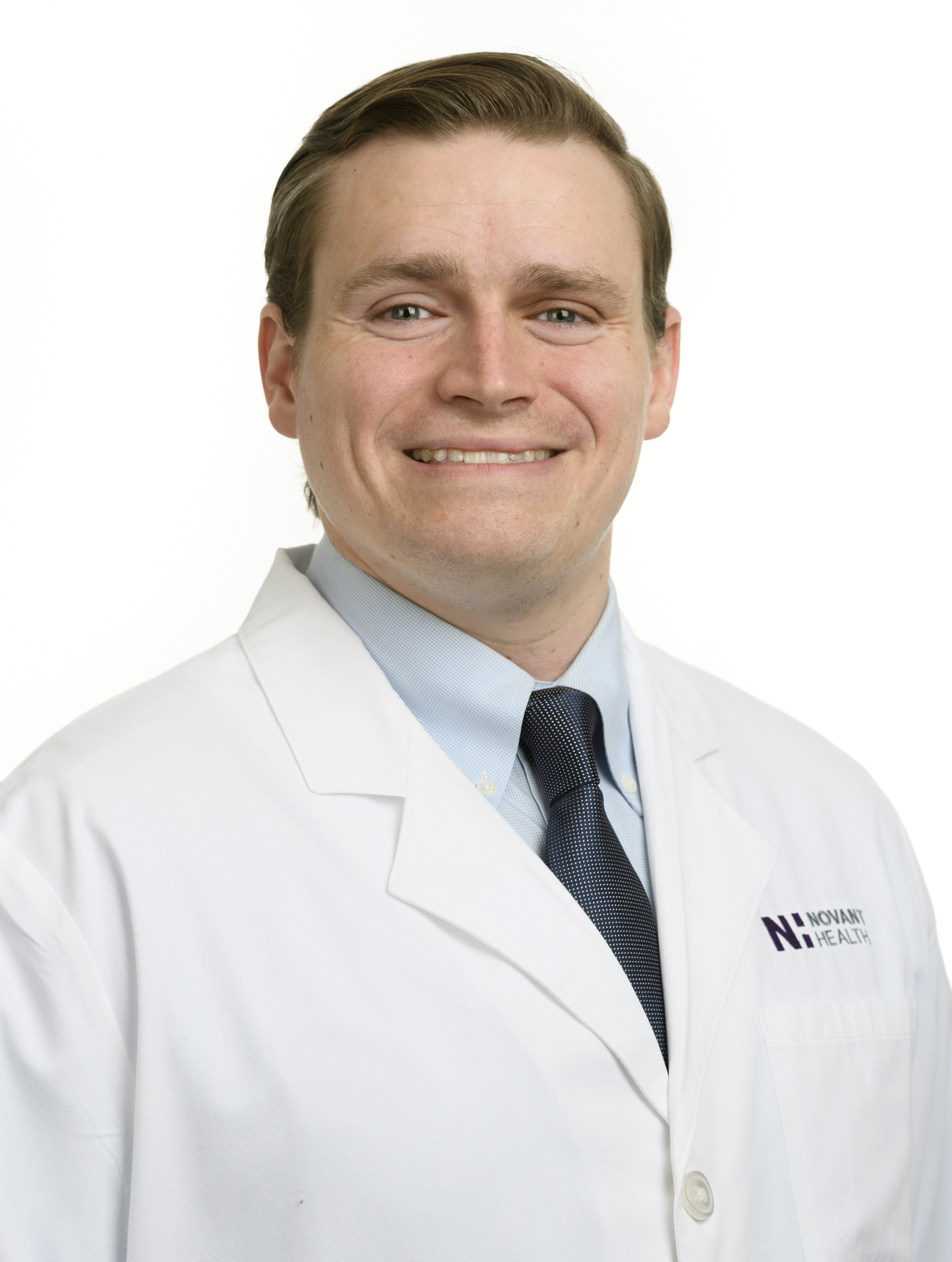
“It’s not only about how much water you’re drinking,” he said. “It’s about how much you’re urinating in order to dilute minerals that can form kidney stones.”
Perttunen works with each patient to create personalized diet and medication plans to reduce risk. He also treats urologic cancers including prostate, bladder and kidney as well as erectile dysfunction, incontinence and pediatric urologic conditions.
Novant Health Davidson Urology, with clinic locations in Lexington and Thomasville, provides access to noninvasive treatment options and the latest surgical technology. You’ll need a referral from your primary care provider to schedule an appointment.
Here, Perttunen explains what to know about preventing and treating kidney stones.
The advanced urology care you need.
Are kidney stones just inevitable for some people?
Yes. There’s no real rhyme or reason why some people get kidney stones. The biggest cause is dehydration. And, unfortunately, here in the Southeast we live in the Stone Belt. The closer you live to the equator, the higher the rate of dehydration.
If you have a family history of kidney stones, you’re more likely to have them, too. But the best thing you can do to prevent kidney stones is drink more water.
How about tea and coffee?
Any fluid is better than no fluid. But tea and coffee are not as good as plain water. They both contain the compound oxalate, which promotes kidney stone formation. Sugary drinks like sodas should be avoided.
Overwhelmingly in our patients, we’re seeing low levels of citrate, which inhibits kidney stones from forming. This compound is found in citrus fruits like lemons, oranges and limes, so adding these to your water and your diet can help prevent kidney stones.
Do high-protein diets increase people’s risk of developing kidney stones?
Yes and no. It’s a bit more nuanced than that. When I was training, I worked with a kidney stone expert who advised sticking to a heart-healthy diet: lots of fruits and vegetables, low animal protein and low sodium. Plant protein is better for you than animal protein. But set realistic goals. Maybe instead of eating steak or other red meat four times a week, have it once a week and substitute fish or chicken for the other meals.
If I experience symptoms, should I immediately go to the emergency room?
Yes. Frequent stone-formers don’t always go to the ER because they can tolerate the pain and will likely pass the stone (meaning it will leave their body through urination). But if you’re a first-timer experiencing acute back pain, blood in your urine, nausea and vomiting, you should get evaluated at the ER. If the stone is smaller than 1 centimeter, we let you try to pass it. But if you develop a fever, that’s an urgent indication for surgery to treat a potential infection behind that stone.
What are the different approaches to treating a kidney stone?
One is a noninvasive approach called medical expulsive therapy, where you’re given medication to help pass a stone. This is the preferred route.
We don’t want to do surgery unless we need to because it carries inherent risks. So if the stone is small enough and the patient can tolerate the pain to pass it, that’s our preferred option. But if the pain is intolerable, we have to consider other approaches, depending on the individual patient’s needs.
One popular option here in the rural community is extracorporeal shock wave lithotripsy. It’s non-invasive, uses high-powered sound waves to break up kidney stones and takes only about an hour. The downside: It has a lower success rate (stone-free rate) than other interventions.
Another option is ureteroscopy and laser lithotripsy, where we put the patient to sleep and use a laser to fragment the stone. This procedure is a bit more invasive but it is safe and has a high success rate.
Some patients like to get an X-ray of their abdominal area every 6 months to a year to see how their stones are changing. But imaging is usually not necessary, and there is no routine screening for kidney stones.
Dr. Michael Perttunen specializes in minimally invasive and robotic-assisted surgery. In addition to kidney stones, he also treats:
- Urologic cancer: Care includes detection, monitoring, biopsy and removal.
- Incontinence: This is a common side effect for male patients who have had their prostate removed due to cancer. Perttunen can implant an artificial urinary sphincter, which controls leakage by enabling the patient to control when they urinate.
- Erectile dysfunction: If medication proves ineffective, Perttunen can implant a penile prosthesis for the patient to inflate independently.
Perttunen earned his medical degree from Florida Atlantic University in 2020 and completed his residency at the University of Arkansas for Medical Sciences.
“Every year there are more urologists retiring than being introduced from residency, so there’s always a shortage,” Perttunen said. “Having another locally in a smaller county like Davidson County makes healthcare more accessible to rural patients who may not be able to travel to Winston-Salem for treatment.”
Perttunen, who is married with a young child and another on the way, said Davidson County is a great place to raise a family and practice his passion. At Novant Health Davidson Urology, he has found a perfect balance between surgery and medicine.
“It’s the best of both worlds,” he said. “And I enjoy being able to establish a longstanding relationship with our patients.”


