
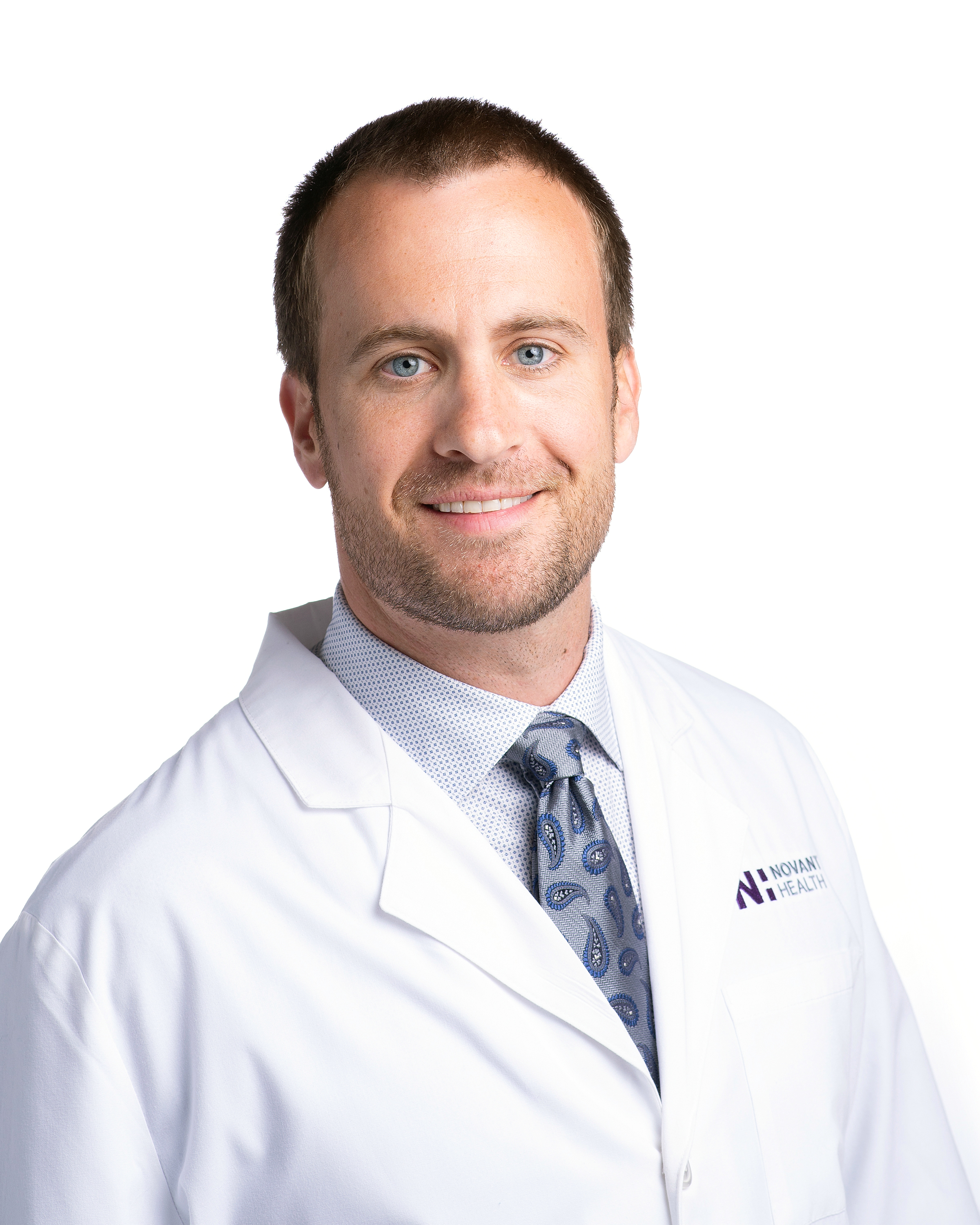
What are the most important changes in melanoma management over the past decade?
In my opinion, the most significant advancement has been the development and integration of immunotherapy into perioperative oncologic care. Over the last decade, clinical trials have shifted melanoma from mostly a surgical disease to one with effective systemic treatment options. Surgical management — particularly of regional lymph nodes — has de-escalated, allowing us to reduce morbidity and tailor each patient’s operative approach without compromising outcomes.
How has immunotherapy altered the traditional surgery-first approach?
We can now test tumor biology to individualize treatment. In selected patients with advanced melanoma, immunotherapy can be given before surgery, shrinking disease and potentially reducing the extent of operation required. These cancers are no longer managed by surgery alone. They require coordinated multidisciplinary care between medical oncology, surgery and sometimes radiation.
When should referring clinicians consider early multidisciplinary evaluation?
All patients with regionally advanced or metastatic cutaneous malignancies should be evaluated in a multidisciplinary setting. I would also consider early referral for stage IIB melanomas — such as those with Breslow depth greater than 4 mm without ulceration, or greater than 2 mm with ulceration. These patients can have a greater chance of occult regional disease and may benefit from preoperative imaging.
Early coordination between surgical, medical and radiation oncology ensures appropriate sequencing and timing of therapy.
What clinical or pathologic features warrant expedited referral?
Rapid growth, recurrence at a prior biopsy or excision site, palpable lymph nodes, systemic symptoms or aggressive biopsy features — such as a deep lesion, ulceration or high mitotic rate — should prompt expedited referral. In my experience, however, these patients can be quite anxious, and I know my team is willing to work any new cancer diagnosis in as soon as possible.
In general, any potentially curative skin malignancy benefits from evaluation by a surgical oncologist, particularly when staging or nodal management decisions may influence long-term outcomes.
How has the use of neoadjuvant immunotherapy in patients with advanced skin cancers changed surgical approaches to lymph node management?
Patients with stage III or resectable stage IV melanoma are clear candidates based on recent data, and indications are expanding. We also consider neoadjuvant approaches in selected patients with Merkel cell carcinoma or high-risk cutaneous squamous cell carcinoma who present with clinically or radiographically positive lymph nodes.
This strategy requires careful multidisciplinary planning and close monitoring. In some cases, a biopsy-proven lymph node can be marked, treated with immunotherapy and later removed through a limited outpatient procedure. If there is a strong response, patients may avoid a full lymph node dissection and its associated morbidity.
We perform fewer completion lymph node dissections than in the past. Patients with positive sentinel nodes who receive adjuvant immunotherapy can often achieve excellent outcomes without additional nodal surgery. In selected patients with clinically positive nodes, a response-guided, limited surgical approach may be appropriate.
How has management of Merkel cell carcinoma evolved?
Although rare, Merkel cell carcinoma is often responsive to immunotherapy and radiation. We increasingly incorporate these modalities into treatment plans and, in selected cases, use them to safely reduce surgical extent.
What does multidisciplinary care look like at Novant Health?
I participate in multiple regional tumor boards each week with medical oncologists, radiation oncologists, pathologists, radiologists and genetic specialists. This close collaboration allows timely, individualized treatment planning.
What would you like referring clinicians to keep in mind?
If there is concern or uncertainty, refer early. The data in this field are rapidly evolving, and connecting patients to a coordinated team is often more important than having every detail finalized. I am always happy to discuss cases directly to help determine the best pathway forward. When in doubt, call us!
Leading the nation in immune-based cancer therapy


