

Mike Casavant has spent much of his life putting his feet to the test. But last fall, the retired Air Force navigator faced the possibility of losing one.
It started with a small, unusual scar between the toes of his right foot. After doing a lot of walking while visiting Germany, Casavant returned home to Hilton Head with a limp and a lot of pain. Antibiotics didn’t help. A week later, his foot ruptured while he played golf.
“It was inflamed, and I ended up going to the hospital,” Casavant says. “They decided they’d have to cut into my foot.”
Casavant, 64, had a severe wound that required extensive care, and his Type 2 diabetes made the stakes especially high. Although he leads an active lifestyle, diabetes can make wounds like Casavant’s diabetic foot ulcer harder to heal; it affects blood circulation and the body’s ability to fight infection.
When a podiatrist recommended amputation, Casavant wanted another opinion. Getting that second opinion determined the course of his treatment.
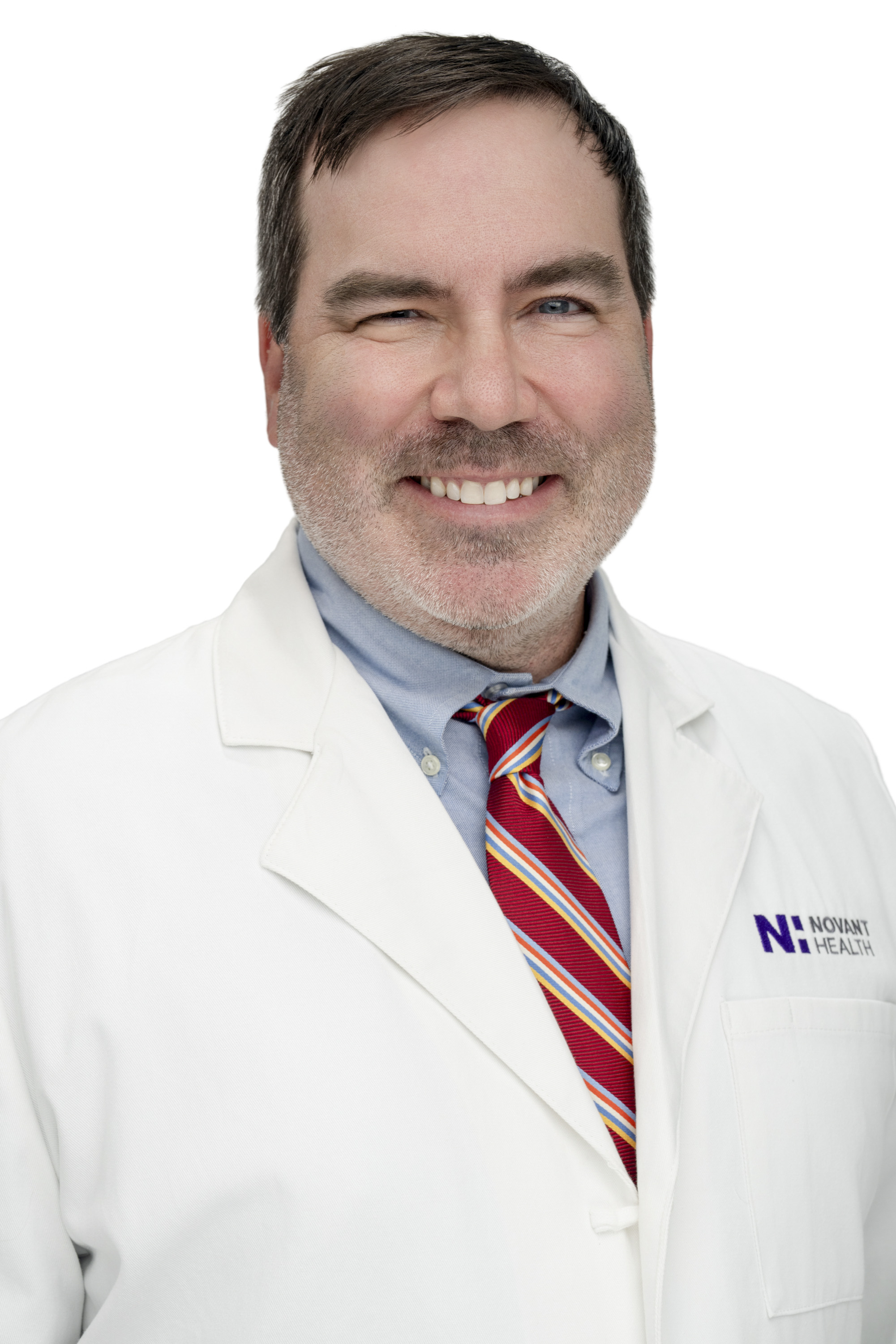
Surgeon Dr. Chris Culpepper was making his rounds at Novant Health General Surgery - Hilton Head when a nurse pulled him aside to meet Casavant. The top of Casavant’s foot was black and appeared to be dead. But Culpepper didn’t believe amputation was necessary.
“Once you amputate a foot, you can’t reattach it,” he told Casavant. “We see a lot of really bad wounds that end up getting better over time.”
The wound had exposed bone, tendons and muscles. Culpepper believed Casavant needed aggressive wound care, but not the loss of his foot.
Culpepper guessed the scar came from a venomous bite, maybe a spider or a scorpion.
“You’re left with a big open wound that eventually turns into a festering ulcer bed,” he said. “This helped us determine he had a diabetic foot ulcer.”
These are among the most serious complications of diabetes because of impaired circulation. Culpepper recommended surgery under anesthesia to clean the wound and evaluate blood flow to Casavant’s foot.
Find expert surgical care to help you move forward.
The marathon of wound care
Saving Casavant’s foot would take months, not days.
As part of outpatient wound care, Culpepper enrolled Casavant in Novant Health’s hyperbaric oxygen therapy program. The treatment delivers pressurized oxygen into a patient’s bloodstream to support healing while the patient rests on their back inside a sealed chamber.
Casavant’s treatment plan called for 80 sessions, Monday through Friday, for two hours at a time. Spread over four months, Casavant learned the process required as much mental endurance as physical patience.
“Can I bring a book?” Casavant asked the wound-care team. But because of the risk of static electricity, no books, metal or electronics were allowed inside the chamber.
“You can't even wear underwear in there,” he recalled, just a 100% cotton hospital gown. “You just lie there and relax.”
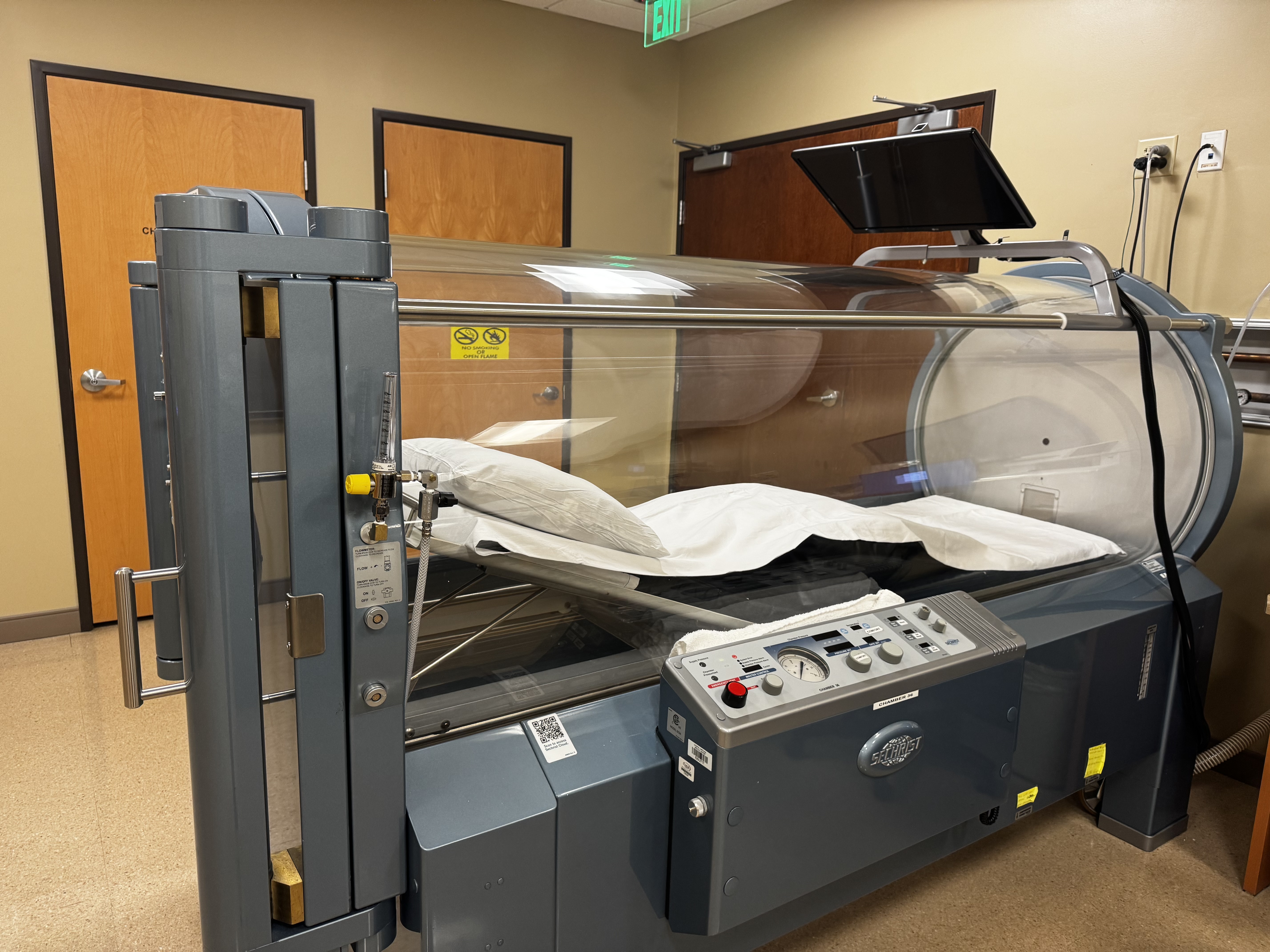
Once inside, you have two choices: sleep or watch TV.
“I started with SportsCenter,” Casavant said with a laugh. “But I hated seeing the time every time I’d look up. So I went to the History Channel; they never show the time. You try to forget what time is, and it goes faster. It’s a mental game.”
Throughout therapy, Culpepper cleaned Casavant’s wound once a week, and his care eventually included skin grafts.
“His time in that tank is unbelievable,” Culpepper said. “He’s really a model patient for it. If he hadn’t had that, he probably would have lost his foot.”
Not every patient with a diabetic foot wound is a candidate for hyperbaric oxygen therapy. Insurance coverage can require documentation such as imaging or a bone biopsy, depending on the patient. Casavant was covered by TRICARE (the healthcare program for military service members, retirees and their families) because of his Air Force service.
A slow path to recovery
While the wound was improving, recovery demanded patience from both Casavant and his care team.
“Dr. Culpepper was the one encouraging me to just wait it out,” Casavant said. “He’s the best. He’s the one who kept saying, ‘Keep your toes.’”
Casavant stuck with Culpepper’s approach, even when the recovery was at its most tedious. He also had help from his girlfriend, Liz, who drove Casavant to every therapy appointment and performed daily dressing changes. The wound was not easy to look at.
“We were dating for only a couple of months and she never got overwhelmed,” he said. “I don’t know how I could have gone through all of this without her.”
Those months of treatment are now paying off, said Culpepper, who expects the foot to heal by the end of the year.
Back on his feet
Casavant is doing much better and wearing a normal shoe again. But for a guy who navigated jets through rugged terrain and later led group walking tours up and down the Italian coast, he is gradually getting back to the little things: mowing the lawn, roaming the beach.
“I used to run three times a week to keep in shape,” he said. “Running feels awkward right now, but I’m able to walk 5 miles.”
Casavant says sticking it out through several months of therapy and recovery has taught him everything about perseverance and patience.
“The Air Force Academy was four years of pain and suffering,” he said. “I never thought I’d graduate; half the class doesn’t make it. I wasn’t the smartest guy in the room and had to work extra hard. And I think this is kind of the same thing — it’s a marathon. You just can’t give up.”


