

When cortisone shots fail to reduce joint pain or other musculoskeletal issues, it’s worth considering an alternative treatment known as platelet‑rich plasma (PRP) therapy.
PRP injections use your own blood to naturally fight inflammation and improve function for up to a year, depending on the condition. It most commonly helps treat chronic tendon issues such as tennis elbow and joint pain like mild to moderate knee osteoarthritis. Current evidence supports the use of PRP for other conditions such as plantar fasciitis, and to support recovery and function following rotator cuff surgery.
Our blood contains platelets, which are the cells that can help repair damaged tissue. Think of how a cut naturally scabs over; those are platelets at work. During PRP, blood is drawn and processed to isolate platelets, which are then injected into the injured area.
PRP injections are generally safe, but not a quick fix. Many insurance plans do not cover them because the U.S. Food and Drug Administration considers PRP investigational, meaning it is still being studied. Patients should expect to pay about $500 to $1,000 out of pocket per injection.
Orthopedic care that combines leading-edge technology with ease and convenience.
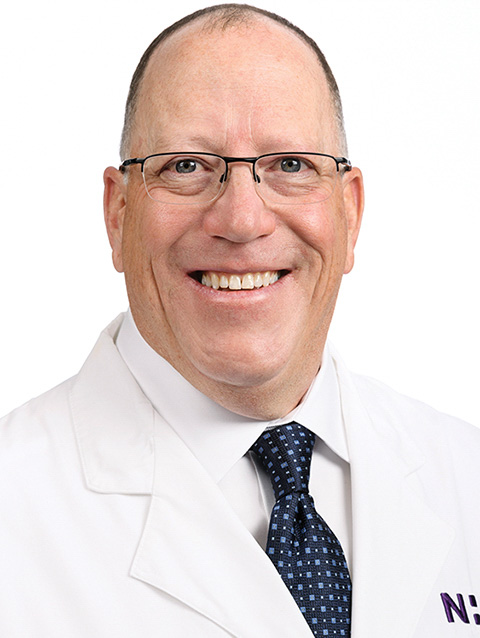
That’s why it’s worth talking to your physician to determine whether you’re an appropriate candidate, said sports medicine physician Dr. Kyle Cassas of Novant Health Orthopedics & Sports Medicine - Congaree, located in Greenville, South Carolina.
“It's also important for patients to realize that PRP is not a miracle cure,” Cassas said. “Instead, think of it as a safe alternative to steroid injections or when you are looking for other options before considering surgery.”
The procedure usually takes less than an hour, but improvement in your symptoms takes much longer. For knee osteoarthritis the PRP benefit can generally last up to a year, and even longer for tennis elbow. Patients are often sore for a few days but OK to return to work within a week.
The number of injections needed varies depending on the clinician’s recommendations.
Here, Cassas addresses common questions about the procedure.
Who's a good candidate for PRP injections?
Patients looking for an alternative to either surgery or a cortisone injection. PRP is not a first-line approach, but is an option when pain persists for several months. Typically, this treatment is for patients experiencing mild to moderate knee osteoarthritis, because there is still some cartilage and you’re not yet experiencing bone-on-bone.
Depending on the patient, PRP can be beneficial when used with gel hyaluronic acid injections, which is one treatment for knee pain caused by osteoarthritis. But PRP may not be for someone with a history of certain cancers, low platelets, clotting disorders, or those taking blood thinners or aspirin. That’s why talking with your doctor is important when determining whether PRP is a good option for you.
How can patients ensure they don’t spend a lot of money on a treatment that may or may not work?
My approach to primary care sports medicine is through shared decision-making. I work with my patients to come up with the best solution together. PRP is very safe because it uses your blood and harnesses the body's ability to heal injured or damaged tissue. But I emphasize that PRP is not a quick solution.
Cortisone provides the quickest improvement, but typically only helps for about six to 12 weeks. PRP can take a couple of months for the patient to feel a change, but that relief can last for up to a year and sometimes longer.
Let's say I'm 65 and deciding whether to move forward with PRP injections. What if something like knee replacement surgery is unavoidable?
Knee replacements typically happen in our 60s and 70s. The point of PRP would be to delay surgery while optimizing your health leading up to the operation. Exercise and weight loss are important prior to the procedure, and PRP could help you in this area. If you’re planning on having surgery fairly soon, we would not move forward with PRP; even cortisone injections must be avoided for three months prior to surgery because of potential problems with infection and wound healing.
Walk us through what patients can expect from PRP treatment.
We start by consulting with the patient, whether online or in person, to answer any questions and set appropriate goals and expectations. Because PRP is out-of-pocket expense, we want to make sure the patient is well-informed to get the best outcome.
Leading up to the procedure, we want to make sure we're optimizing their nutrition, hydration and platelet function. Following the injection, the patient may have some temporary discomfort and improvement can take weeks to months in most cases. But the longer-term benefit can be worth it. Bottom line: The better your health is going into a procedure, the better the outcome will be.
If you’re in South Carolina and interested in PRP, contact Novant Health Orthopedics & Sports Medicine - Congaree at 864-248-4100 to schedule a consultation.


