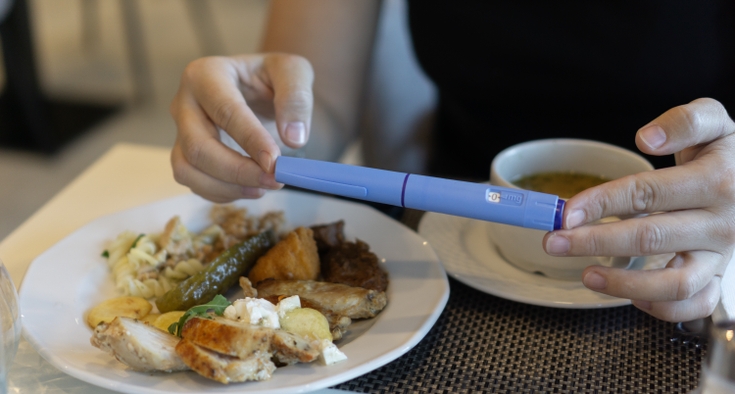
Shoppers may be noticing a new label at the grocery store: “GLP-1 friendly.”
As GLP-1 medications like Ozempic and Wegovy become more common, food companies are increasingly marketing frozen meals, snacks and beverages to people who use them.

“If you’re looking for premade meals that are high in fiber and protein, seeking out the GLP-1 friendly label could make it easier to find them,” said registered dietitian Kelly Homesley at Novant Health Bariatric Solutions - Elizabeth.
Still, the label raises questions: What does “GLP-1 friendly” mean? And are these foods useful for people on GLP-1s, or for anyone trying to eat a little healthier? Homesley tackled those questions and others as millions of Americans race to embrace the weight loss drugs.
Personalized weight loss programs to help you lose weight safely and keep it off.
What does ‘GLP-1 friendly’ mean on a food label?
The GLP-1 friendly label on a food item means that meal or snack is higher in protein and fiber and often a smaller portion size than comparable meals and snacks.
If you haven’t seen these products in stores, they are currently being sold by brand-giants like Nestle and Conagra, and feature labels like “GLP-1 Friendly” or “On Track.” Some retailers are now using dedicated sections of their stores to group GLP-1-friendly products together, too.
Why are we seeing a sudden rise in ‘GLP-1 friendly’ food labels?
Individuals on GLP-1s have significantly decreased appetite, so each bite takes on more importance to them. Protein and fiber are the backbone of these meals because they help people to feel fuller longer and provide the most essential nutrients, maximizing those bites. It’s not always easy to regularly eat a high-protein, high-fiber diet, so these labeled foods can fill the gap for people who don’t have a sustainable diet or are very busy.
That said, I don’t think what’s in these meals and snacks is new, by any means. Consider protein bars or high-fiber cereals. This is a new way of packaging high-protein, high-fiber foods as the number of people on GLP-1s continues to grow.
Are GLP-1-friendly foods genuinely helpful for people on GLP-1 medications?
They can be, but I would not recommend them as a default for what you eat every day. While these products will have higher protein and fiber contents compared to similar products that are not labeled GLP-1-friendly, not all of them are as high as they should be in protein and fiber.
For example, I recommend a minimum of 20 grams of protein and 5-10 grams of fiber per meal to our patients, whether they are on a weight-loss medication or not. But if you look at Healthy Choice frozen meals labeled as “On Track” for individuals on GLP-1s, many have less than that recommended amount — usually around 15 grams of protein a meal and 4 grams of fiber.
However, these meals can be useful for people who are struggling to find healthy meals to eat or deal with time constraints. Many GLP-1-friendly options are highly processed and contain a lot of sodium, but they’re better than going through a drive-thru and getting a fast-food meal. I recommend treating GLP-1-friendly foods as a convenience option, not a permanent solution.
Considering that more than 46% of people come off of GLP-1s in the first year, our main goal is to build long-term dietary habits rather than relying on that convenience option.
Why do protein and fiber matter so much for people taking GLP-1s?
For those on GLP-1s for weight loss — and for those trying to lose weight without GLP-1s — a high-fiber, high-protein diet is key to sustainability.
Benefits of protein:
- You burn significantly more calories digesting it compared to fats and carbohydrates.
- It helps you maintain and build muscle mass, which is key if you lose a lot of weight in a short period of time.
- You feel fuller for much longer.
Benefits of fiber:
- Helps you feel full, which reduces overall calorie intake throughout the day.
- Helps counteract side effects like constipation and diarrhea that can occur on GLP-1s.
If you lose a significant amount of weight quickly, like many people do on GLP-1s, you can lose your muscle mass as quickly, if not quicker, as you lose fat. This can make you weak and significantly lower your metabolic rate as well, making it more difficult to keep the weight off once you have lost it. That’s why strength training is a key part of building and maintaining muscle mass on GLP-1s — and you need a high-fiber, high-protein diet to fuel that.
If you’re trying to lose weight without the help of a GLP-1, a good combination of fiber and protein throughout the day can mimic some of the benefits you get from GLP-1s, such as feeling full quickly, decreased cravings and food noise, and better blood sugar control.
What may not be immediately clear about GLP-1-friendly foods from the package?
I always tell my patients not to buy a product based on packaging, but to turn the box around and read the nutrition label for themselves. While GLP-1-friendly meals may be helpful in a pinch, the package is ultimately designed to sell you the product.
What it won’t tell you is that these prepared meals are typically not as balanced as a dinner you make at home would be. They may be higher in sodium, fat and carbohydrates than is ideal. Just because you’re getting the high-fiber, high-protein benefit doesn’t make it the best option.
Are GLP-1-friendly foods only useful for people on GLP-1 medications?
Definitely not. The idea behind these products — more protein, more fiber — is great for anyone who is trying to lose weight or maintain a healthy weight. That includes those who are trying to lose weight with diet and exercise, those on GLP-1s, and people who have had bariatric surgery.
If someone on a GLP-1 medication or someone who simply wanted to eat healthier wanted to make one lifestyle modification today, what would you recommend?
Eat more whole foods —lean protein, vegetables and fruit —and drink more water. While the GLP-1-friendly foods are not necessarily bad choices, they are not as well-rounded as whole foods.
Takeaway: Foods labeled as “GLP-1 friendly” can be a helpful short-term option when you’re busy. But the best approach is to use them as a convenience tool while working toward sustainable dietary habits that include fruits, vegetables, lean protein and a lot of water.
Good high-protein and high-fiber foods for GLP-1 users
Homesley’s tips for a well-rounded diet:
- Aim for 90 grams of protein and 25 grams of fiber, divided into three meals and one to two snacks per day.
- Drink at least 64 oz of water per day while limiting caffeine.
Lean animal protein: chicken breast, turkey, salmon, tuna, eggs, cottage cheese, Greek yogurt
Plant-based protein and fiber combo: lentils, chickpeas, black beans, edamame, tofu, tempeh
Fiber-rich vegetables: broccoli, cauliflower, Brussels sprouts, leafy greens (spinach, kale), carrots, bell peppers
Whole grains and seeds: quinoa, oats, brown rice, chia seeds, flaxseed
Fruits: berries (raspberries, blackberries), apples, citrus, melon
FAQs
No. You can eat a perfectly healthy diet without ever buying a meal labeled “GLP-1 friendly” at the store. However, if you ever need a convenience option, these meals and snacks are usually a good choice.
These are essentially protein shakes. They can be part of your routine, but shouldn’t be your main source of nutrition. Avoid using them as regular meal replacements — except when you’d otherwise skip a meal, like a rushed morning. In that case, a shake is better than nothing. Ideally, GLP-1-friendly beverages should supplement meals and snacks, not replace them.
No. The choice label is not regulated by the Food and Drug Administration (FDA).