

You’re on a long flight or road trip. How often are you pausing to stand up, stretch and get your legs moving?
Inactivity can cause blood clots, which is why maintaining proper circulation is a simple yet critical step toward preventing pulmonary embolism, the third leading cause of cardiovascular death in the U.S. behind heart attack and stroke.
A pulmonary embolism starts as a blood clot in the leg, known as deep vein thrombosis, and travels through the heart and into the lungs, where it obstructs blood flow. Clots can affect anyone, regardless of age or health.
Catherine O’Hara, the prolific TV and film actor best known for her roles in “Schitt’s Creek,” “Home Alone” and “Best in Show,” died in January from a pulmonary embolism. The underlying cause was rectal cancer.
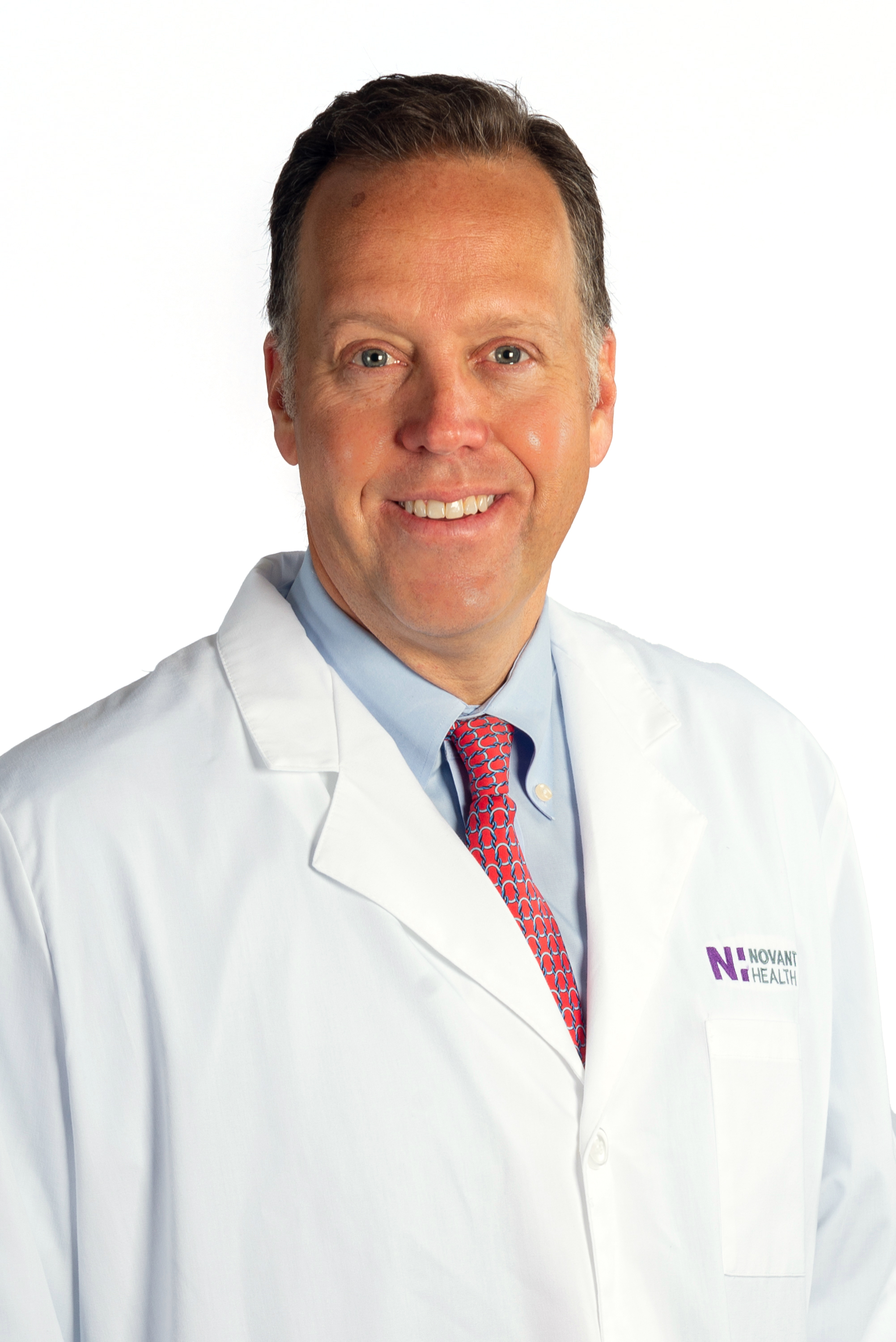
“Cancer increases the risk of developing blood clots,” said cardiologist Dr. Lance Lewis of Novant Health Heart & Vascular Institute, who cofounded the institute’s Pulmonary Embolism Response Team in 2022. “Listen to your body and pay special attention if you’re recovering from surgery or returning from a long trip. If you have concerns, it’s best to get evaluated by a physician who can make a diagnosis.”
As Lewis explains, a pulmonary embolism is serious but often preventable and treatable.
Take the first step in improving your cardiac health.
What is a pulmonary embolism?
When the body forms a blood clot in the legs, it can break free and travel up through the abdomen and the heart, and then into the lungs. The clot can obstruct enough blood from passing through the lungs and be deadly.
Who is most at risk, and what are the warning signs?
These are not as common in people who are mobile and active. It’s when you get sick and less able to move around that you’re at increased risk. It’s important to know the symptoms, especially ahead of a long trip or an operation that will require some immobility during recovery. Look out for shortness of breath, sharp, stabbing chest pains, rapid heartbeat, coughing up blood, or a single swollen leg, which could suggest a clot.
What steps can we take to get ahead of this?
Find out if you have a family history. Knowing if you have a genetic predisposition to pulmonary embolism can save your life. Has a grandmother or an uncle had one? Has anyone in your family had difficulty holding a pregnancy? Sometimes that can suggest a genetic predisposition for clots.
Aside from regular activity, which is the most important preventative step, it’s worth wearing compression hose or socks while traveling. These help keep the blood moving while on a long trip. I’ve had patients who have returned from a long flight with one leg larger than the other. That’s a sign of a clot that hasn’t yet traveled to the lungs, and requires testing to be sure.
But pulmonary embolism can still happen to anyone, regardless of age and health?
Absolutely. Reporter David Bloom was 39 when he died from one after being holed up in a tank while covering the Iraq War.
In many cases, movement is the medicine. Non-moving blood likes to form clots. Getting moving doesn’t mean you have to go run a marathon; even some light walking is good.
This is especially important for people who have just had surgery. Right away your body goes into repair mode, and part of that repair is the forming of clots. That’s why the first thing the surgeons do is get the patient up and moving. We work hand-in-hand with physical and occupational therapists after surgery to help prevent pulmonary embolism.
Is a pulmonary embolism treatable?
For the overwhelming majority of folks, it’s very treatable. In most cases, we can treat it with oral blood thinners for several months. Your primary care physician can run some tests to rule out or confirm your risk. You may not always be able to prevent a blood clot from forming, but you can prevent it from becoming a pulmonary embolism.


